
You are standing at the edge of a cliff, harness tight, carabiner clipped, and your heart is pounding. The single piece of equipment that connects you to safety is the rope in your hands. Picking the strongest rappelling rope is not about bragging rights in the gear room; it is about surviving the descent. Many beginners focus on price or color, but the real metric is tensile strength, durability, and how the rope handles dynamic loads. If you choose a rope that is too weak for your body weight plus gear or one that degrades quickly from abrasion, you are gambling with your life. This guide will cut through the marketing noise and show you exactly how to select the strongest rope for your rappelling adventures, covering breaking strengths, materials, diameters, and real-world wear factors that most articles ignore.
Choosing a rope without understanding these core principles is like driving a car without checking the brakes. Let us fix that right now.
What Exactly Makes a Rappelling Rope “Strong”?
Tensile Strength vs. Breaking Strength
The strength of a rope is measured by its tensile strength, which is the maximum load it can withstand before breaking. For rappelling, you want a rope with a minimum breaking strength of at least 5,000 pounds (22 kN) for a single-person descent. However, the “strongest” rope is not just about raw numbers; it is about how the rope handles shock loads and edge abrasion.
Static vs. Dynamic Ropes
You must understand the difference between static and dynamic ropes. Static ropes stretch very little (under 5%) and are ideal for rappelling because they provide a stable descent. Dynamic ropes stretch significantly (up to 30%) to absorb fall energy, which is great for lead climbing but dangerous for rappelling because the bounce can cause loss of control. The strongest rappelling rope is almost always a high-quality static rope with a strong sheath-to-core ratio.
The Role of the Sheath and Core
Modern rappelling ropes have a core (nylon or polyester fibers) that carries the load and a sheath (outer braid) that protects the core from abrasion. A rope with a thick, tightly woven sheath will outlast a rope with a thin sheath, even if both have the same tensile rating. Look for a sheath percentage of at least 35% of the total rope weight for maximum durability.
Why Diameter Matters for Strength and Handling
The 10mm to 11.5mm Sweet Spot
The diameter of the rope directly affects its strength and handling. Thicker ropes (10.5mm to 11.5mm) are generally stronger and more durable, but they are heavier and harder to handle. Thinner ropes (9mm to 10mm) are lighter and easier to coil but have lower breaking strengths and wear out faster. For general rappelling, a 10.5mm rope offers the best balance of strength and manageability.
Thicker Ropes and Abrasion Resistance
Thicker ropes have more material in the sheath, which provides superior abrasion resistance against rock edges. If you are rappelling in sharp, rocky terrain, a thicker rope (11mm) will resist cutting far better than a skinny 9mm rope. The strongest rappelling rope for harsh environments is always a thicker diameter with a high denier sheath.
Thinner Ropes and Weight Savings
While thinner ropes sacrifice some raw strength, they offer significant weight savings for long approaches. For climbing multi-pitch routes where you rappel down, a 9.5mm to 10mm rope can be acceptable if it has a high tensile rating (over 20 kN). However, you must inspect them more frequently for damage.
Which Material is Strongest for Rappelling Ropes?
Nylon: The Industry Standard
Nylon is the most common material for rappelling ropes because of its excellent balance of strength, elasticity, and abrasion resistance. It absorbs shock well and has a high melting point, which is critical during fast descents. A 10.5mm nylon rope typically offers a breaking strength of 5,500 to 6,500 pounds.
Polyester: Less Stretch, More UV Resistance
Polyester ropes have less stretch than nylon and are more resistant to UV degradation and chemicals. They are slightly weaker per diameter than nylon but are often used for static lines in rescue scenarios. Polyester is a smart choice if you are rappelling in sunny environments or on abrasive surfaces.
Technora and Dyneema Blends
High-end ropes sometimes incorporate Technora or Dyneema fibers in the core. These materials have incredible tensile strength (up to three times stronger than steel by weight) and heat resistance. However, they are stiffer, more expensive, and can be slippery on descenders. They are best for specialized applications like canyoneering, where wet abrasion is a factor.
| Material | Strength Rating | Best For | Weakness |
|---|---|---|---|
| Nylon | 5,500–6,500 lbs | General rappelling, climbing | UV damage over time |
| Polyester | 5,000–6,000 lbs | Static lines, rescue | Less shock absorption |
| Dyneema Blend | 8,000+ lbs | Canyoning, high-heat | High stiffness, expensive |
How Do I Test a Rope’s Actual Strength Before Buying?
Check UIAA and OSHA certifications.
Always look for ropes certified by the UIAA (International Climbing and Mountaineering Federation) or meeting OSHA standards. These certifications ensure the rope has been tested for breaking strength, impact force, and number of UIAA falls. A certified rope guarantees a minimum standard of safety that generic hardware store ropes lack.
Examine the Sheath Construction
Run your hand along the rope. A high-quality sheath feels smooth and consistent, not lumpy or loose. Look for a “tight” braid pattern. You can pinch the sheath between your fingers to see if it slides over the core easily. If it slips, the rope is poorly constructed and will degrade quickly, compromising its strength.
Perform a Visual and Physical Inspection
Before purchase, inspect for any manufacturing defects. Look for flat spots, lumps, or discoloration in the core. Bend the rope in a U-shape; it should spring back easily. A stiff, brittle feeling indicates old or low-quality fibers. A strong rope should feel supple yet firm.
When Should I Replace My Rappelling Rope?
Signs of Core Damage
If you feel a “soft spot” or a “flat spot” when squeezing the rope, the core may have internal damage. This is one of the most dangerous conditions because the sheath may look fine while the core is compromised. Any rope with suspected core damage must be retired immediately, even if it is the strongest rappelling rope you can find.
Sheath Deterioration
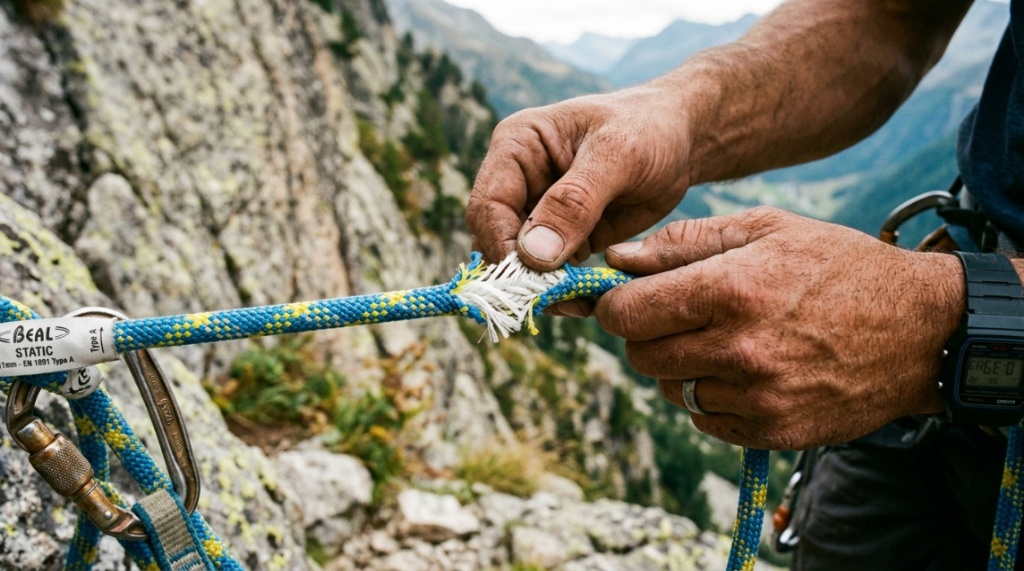
Replace the rope when the sheath is fuzzy, frayed, or shows individual strands breaking. If you can see the white core fibers through the sheath, the rope has lost significant strength. A good rule is to retire any rope after 10-15 rappels on sharp rock or after one major fall.
Age and Usage Milestones
Even without visible damage, ropes lose strength over time. For static ropes used regularly for rappelling, replace them every 2-3 years. If the rope has been stored in a hot car or exposed to chemicals, replace it immediately. Do not trust a rope that has been sitting in a damp basement for five years.
What Are the Common Mistakes People Make When Choosing a Strong Rope?
Focusing Only on Breaking Strength
Many beginners buy a rope with the highest breaking strength they can find but ignore abrasion resistance. A rope with a 7,000 lb breaking strength but a thin sheath will be cut by a sharp edge faster than a 5,500 lb rope with a thick, durable sheath. Strength is not just about the numbers; it is about how the rope survives the environment.
Using Dynamic Climbing Ropes for Rappelling
Using a dynamic climbing rope for rappelling might seem safe, but the stretch causes a bouncy descent, which can lead to loss of control or banging into the wall. For pure rappelling, a static rope provides a stiffer, safer platform. If you are climbing and then rappelling, use a low-stretch dynamic rope designed for multi-pitch.
Ignoring the Rope’s Weight and Packability
A super strong, thick rope is useless if you leave it at home because it is too heavy to carry. Match the rope’s strength to your actual needs. For short canyon rappels, a 9.5mm rope is plenty. For long alpine descents, a 10.5mm or 11mm rope is better. The strongest rope is the one you have with you that is appropriate for the terrain.
How Can I Maximize the Lifespan of the Strongest Rappelling Rope?
Proper Storage and Drying
After every use, dry your rope loosely in the shade. Never store it wet, as moisture promotes mold and fiber degradation. Keep it coiled in a rope bag away from direct sunlight and chemicals. Ultraviolet rays are the biggest enemy of nylon ropes, so keep them out of the sun when not in use.
Avoiding Sharp Edges
Always use edge protection (rope pads) when rappelling over sharp rock edges. The single fastest way to destroy a strong rope is to pull it across a razor-sharp edge under tension. Even the strongest rappelling rope can be cut by a sharp edge in seconds. Check out our guide on the best boat rod mounts for serious fishing to upgrade your offshore setup.
Cleaning Your Rope
Wash your rope with mild soap and cold water when it gets dirty or gritty. Dirt acts like sandpaper and grinds down the sheath fibers. A clean rope lasts longer and retains its rated strength. Use a rope washer or a gentle cycle in a washing machine with no spin cycle.
Which Rope Diameter Should I Choose for Different Rappelling Scenarios?
Short Canyons and Beginner Routes (9.5mm – 10mm)
For technical canyons or single-pitch rappels where weight is a concern, a 9.5mm or 10mm rope is ideal. It is light, easy to carry, and still offers a breaking strength of around 4,500 to 5,000 pounds. This is perfect for dry, smooth rock conditions where abrasion is minimal.
Multi-Pitch and Alpine Descents (10mm – 10.5mm)
For multi-pitch routes where you are climbing and rappelling, a 10mm to 10.5mm static rope provides the best compromise between weight, strength, and durability. It handles repeated rappels well and offers a good balance of stiffness for descenders.
Dirty or Abrasive Environments (10.5mm – 11mm)
If you are rappelling in gritty, sandy, or sharp volcanic rock, choose an 11mm rope. The extra sheath thickness protects against abrasion and extends the rope’s life significantly. The slight weight penalty is worth the safety margin.
Understanding the Real-World Strength Factors
Knots Weaken the Rope
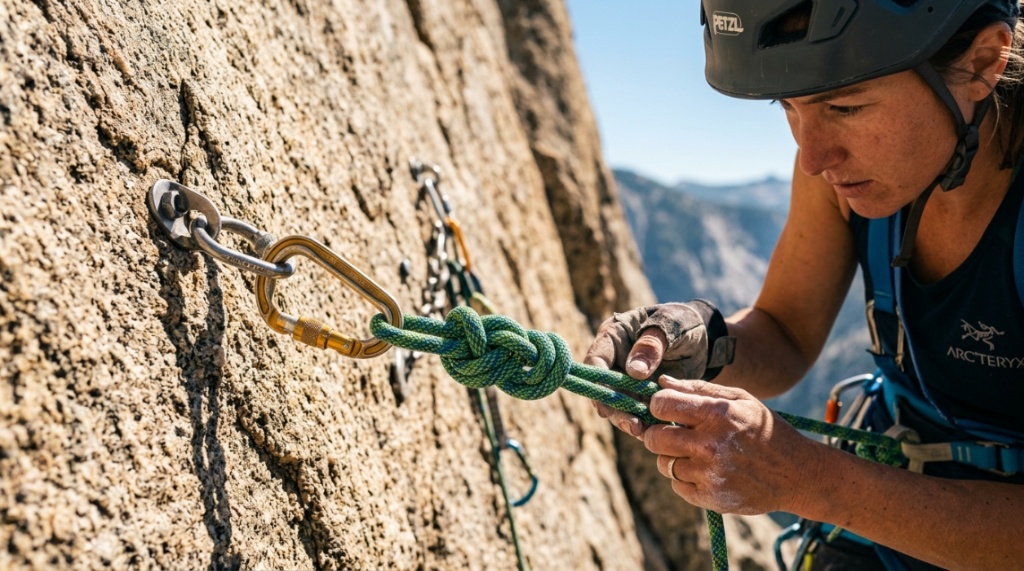
Every knot you tie reduces the rope’s breaking strength by 20% to 40%. A figure-eight knot can reduce strength by around 25%, while an overhand knot can reduce it by 30-40%. Always account for this reduction when calculating your safety margin. A rope with a 5,500 lb breaking strength tied with a figure-eight knot effectively has roughly 4,125 lb of working strength.
Wet Conditions
Nylon ropes lose about 10-20% of their strength when saturated with water. If you are rappelling in rain or through waterfalls, you need a rope that starts with a higher tensile strength to compensate for this loss. Polyester ropes perform better in wet conditions, losing only 5-10% strength.
Temperature and Chemical Exposure
Exposure to high heat (e.g., leaving a rope in a car trunk on a sunny day) can degrade fibers permanently. Chemicals like battery acid, gasoline, or bleach can destroy a rope’s integrity instantly. Store your rope away from automotive fluids and harsh cleaning agents.
Pros and Cons of Different Rope Constructions
Single Braid vs. Kernmantle
Most rappelling ropes use a kernmantle construction (core + sheath). Single-braid ropes have no separate core and are generally weaker and less durable. The strongest rappelling ropes are always kernmantle. This design allows the core to handle the load while the sheath provides a tough, abrasion-resistant exterior.
Dry Treatment: Worth It or Not?
Dry-treated ropes have a hydrophobic coating that prevents water absorption and reduces friction on descenders. For wet environments or canyoneering, dry treatment is essential because it keeps the rope lighter and stronger when wet. For dry rock climbs, it is a luxury that adds cost but offers no significant benefit.
Color and Visibility
Brightly colored ropes (yellow, orange, red) are easier to see against rock and vegetation, which helps you avoid stepping on them or cutting them. Dark ropes (black and blue) blend in and are more likely to get damaged accidentally. Visibility is a safety feature that indirectly affects the rope’s usable life.
Conclusion
Picking the strongest rappelling rope is about more than just looking at a breaking strength label. You must consider the material, diameter, sheath construction, and the specific conditions of your rappelling environment. The strongest rope for one person might be a 9.5mm lightweight line for canyon descents, while for another it must be an 11mm workhorse for abrasive granite rappels. Focus on a certified kernmantle rope with a thick sheath, a tensile strength above 5,000 pounds, and a diameter that matches your balance between weight and durability. Replace your rope before it shows significant wear or after a hard fall. Now that you know exactly what to look for, go inspect your current rope and make sure it is ready for your next adventure. Your life depends on it.
Frequently Asked Questions
Can I use a climbing rope for rappelling?
Yes, but it is not ideal. Dynamic climbing ropes stretch significantly, which can cause a bouncy descent. For rappelling, a static rope is safer and provides a consistent, controlled descent. If you only have a dynamic rope, use it with caution and keep your speed low.
How much weight can a 10.5mm rappelling rope hold?
A standard 10.5mm nylon static rope has a breaking strength of around 5,500 to 6,500 pounds. However, you should never use the breaking strength as a working load. For rappelling, a safe working load is typically one-tenth of the breaking strength, meaning around 550 pounds, which is plenty for one or two people with gear.
Is a thicker rope always stronger?
Not always, but generally yes. Thicker ropes have more material and a higher tensile strength. However, the construction quality and material matter more. A well-constructed 10mm rope can be stronger than a poorly constructed 11mm rope. Always check the certified breaking strength.
How often should I replace my rappelling rope?
Replace your rope every 2-3 years with regular use or immediately if you see sheath damage, core damage, or after a single major fall. If the rope feels flat, stiff, or has been stored improperly, replace it. Do not risk a compromised rope.
What is the best material for a rappelling rope in wet conditions?
Polyester or dry-treated nylon is best for wet conditions. Polyester loses less strength when saturated (5-10%) compared to nylon (10-20%). Dry-treated nylon repels water, keeping the rope lighter and stronger. Avoid standard nylon ropes for wet canyons or rainy descents.
Can I splice a rappelling rope to make it longer?
Yes, but only if you use a certified splice from a professional. A properly spliced rope maintains 100% of its strength, while knots reduce strength. Never attempt to splice a rope yourself unless you are trained. A bad splice is a death trap.
Does the color of the rope affect its strength?
No, the dye used to color the rope does not significantly affect its strength. However, color affects visibility. Bright ropes are safer because they are easier to see and avoid cutting. Dark ropes are harder to spot and can get damaged accidentally.


