
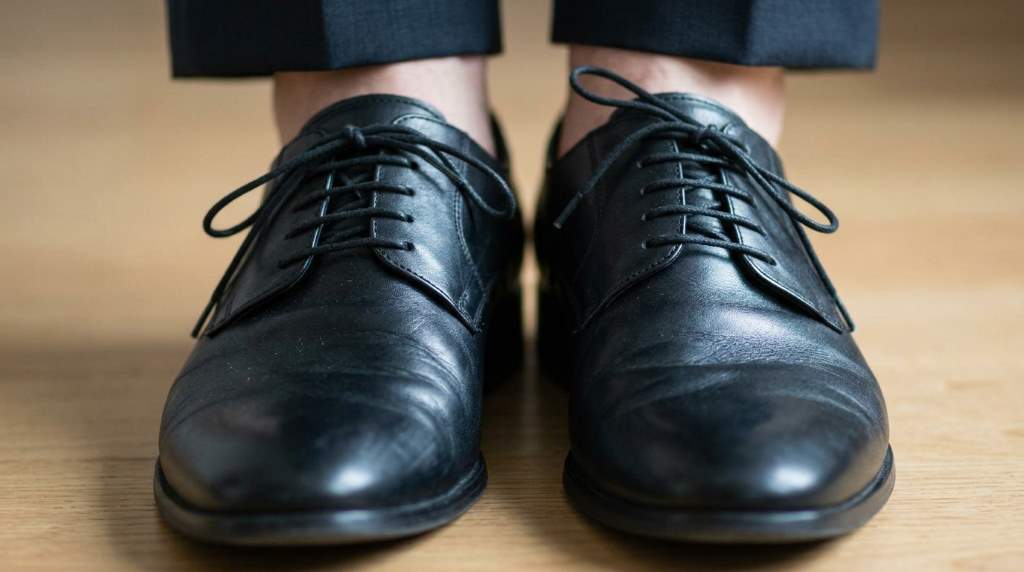
Toe pain from tight shoes can quickly ruin your daily routine, especially during long walks or busy workdays. Nearly 77% of adults report foot pain at some point, while poorly fitting footwear remains a leading cause. Many people also search for home remedies to stretch tight shoes before replacing their favourite pair. Fortunately, simple adjustments often reduce discomfort and protect your feet. This guide explains practical solutions that help relieve toe pain while keeping your footwear comfortable.
Understand Why Tight Shoes Cause Toe Pain
Tight shoes squeeze your toes and limit their natural movement during every step. Consequently, pressure builds across joints, nails, and soft tissues over time.
Constant friction also creates blisters, calluses, and sore spots that become painful quickly. Additionally, learning how physical activity directly affects your feet helps you understand why proper footwear matters.
Hot weather can worsen discomfort because feet naturally expand throughout the day. Therefore, shoes that feel comfortable during mornings may become painfully tight later.
Simple Ways to Relieve Toe Pain Quickly
Remove Pressure Immediately
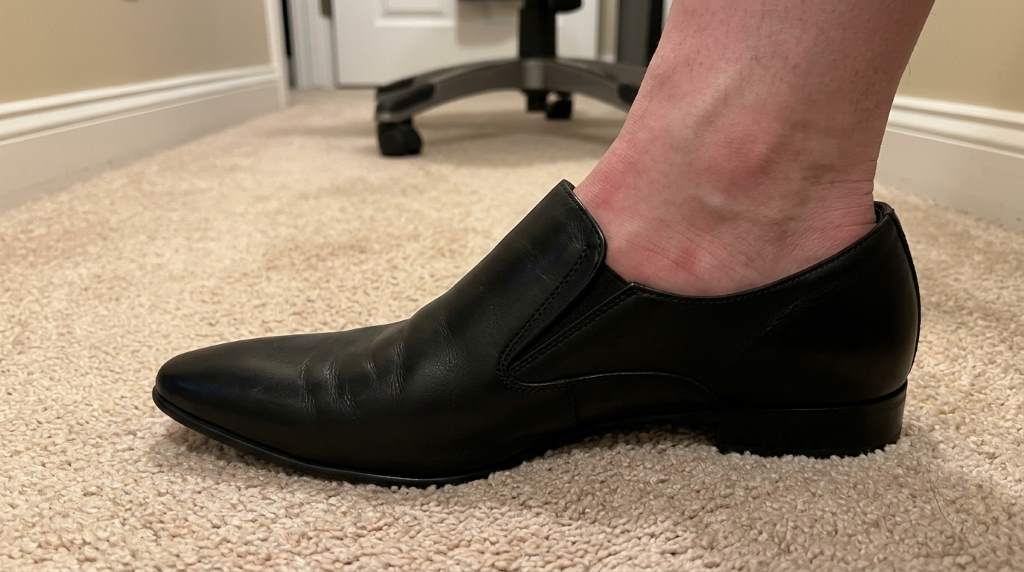
Take off your shoes whenever possible to reduce pressure on painful toes. Afterwards, gently stretch your toes and move them freely for several minutes.
Apply a Cold Compress
Wrap an ice pack inside a soft towel before placing it over the sore area. Keep the compress there for fifteen minutes to reduce swelling and discomfort.
Elevate Your Feet
Raise your feet on a cushion after standing for extended periods. This simple habit encourages healthy circulation and reduces lingering soreness.
Choose Shoes That Fit Properly
Proper sizing prevents many common foot problems before they even begin. Likewise, reviewing what shoes you wear can inspire smarter footwear choices for daily comfort.
Always leave enough space between your longest toe and the shoe front. Your toes should move comfortably without rubbing against the upper material.
Measure both feet because one foot often differs slightly from the other. Purchase shoes based on the larger measurement for better comfort.
Stretch Tight Shoes Safely
Gradually stretching shoes often improves comfort without damaging valuable footwear. However, avoid aggressive methods that may weaken stitching or materials.
Wear Thick Socks Indoors
Put on thick socks before wearing the shoes around your home briefly. Repeat this process several times until the fit becomes more comfortable.
Use Shoe Stretchers
Adjustable shoe stretchers provide even pressure across tight sections without harming the shoe shape. Many people notice gradual improvements after several sessions.
Visit a Professional
Experienced shoe repair specialists can safely stretch leather and other quality materials. Professional equipment usually delivers better results than homemade alternatives.
Select Better Socks for Extra Comfort
Quality socks reduce friction between your feet and shoe interior during movement. Soft moisture wicking fabrics also help prevent blisters and skin irritation.
Avoid overly thick socks if your shoes already feel tight around your toes. Instead, select breathable materials that support comfort without adding unnecessary bulk.
Support Healthy Feet Every Day
Daily foot care keeps muscles flexible while reducing future discomfort from tight footwear. Gentle stretching also improves movement and reduces stiffness after long days.
Trim toenails regularly because overly long nails increase pressure inside tight shoes. Furthermore, clean feet reduce irritation caused by trapped sweat and bacteria.
- Stretch your toes every morning.
- Rotate different shoe pairs weekly.
- Replace worn insoles when needed.
- Inspect shoes for pressure points regularly.
- Allow shoes to dry completely after use.
Know When Medical Care Is Necessary
Most mild toe pain improves after removing pressure and wearing better fitting shoes. However, severe pain deserves prompt medical evaluation.
Persistent swelling, numbness, bleeding, or colour changes should never be ignored. Early treatment helps prevent complications and supports faster recovery.
People with diabetes should seek professional advice whenever new foot pain develops. Regular foot examinations help identify concerns before they become serious.
Prevent Toe Pain Before It Starts
Prevention always proves easier than treating painful foot conditions after they develop. Smart shopping habits protect comfort throughout daily activities.
- Shop for shoes during the afternoon.
- Walk around before buying any pair.
- Choose wide toe boxes whenever possible.
- Replace worn shoes before support disappears.
- Match footwear with planned activities.
Always prioritise comfort over appearance when selecting everyday footwear. Your feet support every step, so they deserve consistent care and attention.
Conclusion
Toe pain from tight shoes often improves through better footwear choices, simple stretching techniques, and consistent foot care habits. Small changes today can prevent larger problems tomorrow while keeping daily activities comfortable.
Start by checking your shoe fit, caring for your feet regularly, and replacing uncomfortable footwear when necessary. If pain continues despite these steps, consult a qualified healthcare professional for personalised guidance.
Frequently Asked Questions
How do I know if my shoes are too tight?
Your shoes are too tight if your toes feel squeezed, numb, or painful while walking.
Can tight shoes cause permanent foot problems?
Yes, prolonged use of tight shoes may contribute to bunions, hammertoes, and chronic pain.
Should I buy shoes larger than my usual size?
Choose shoes that fit your measured feet instead of automatically buying a larger size.
Do insoles help reduce toe pain?
Supportive insoles often improve comfort by distributing pressure more evenly across the foot.
When should I see a doctor for toe pain?
Seek medical care if pain remains severe, worsens, or includes swelling, numbness, or infection signs.


