

You step up to the tee box, take a deep breath, and crush what feels like the perfect drive. You watch the ball sail—only to watch it land shorter than you expected. Could the tiny piece of plastic (or wood) beneath your ball really be the culprit? It might seem absurd, but the reality is that golf tee performance can influence everything from launch angle to spin rate. The problem is that most golfers treat the tee as an afterthought, grabbing whatever is lying around. This small oversight could be silently stealing yards off your drive. In this guide, we will break down the science, the materials, and the data behind how tees impact distance and give you actionable advice to optimize your setup. Let’s find out if your tee is helping or hurting your game.
What Is the Primary Function of a Golf Tee Beyond Holding the Ball?
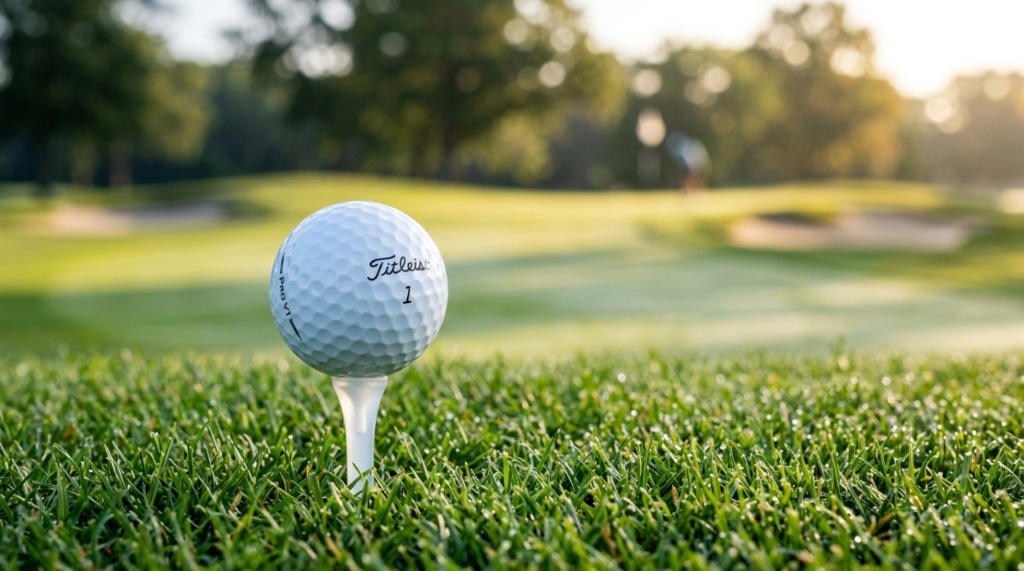
A golf tee’s job goes far beyond simply propping up the ball. Its primary performance function is to minimize the interference between the clubface and the ground at impact while also allowing you to control launch angle.
When you hit a driver, the clubhead is moving at high speed. If the ball is sitting on the ground, the club’s sole plate will likely hit the turf before the face meets the ball, robbing you of energy and consistency. A tee elevates the ball so the club can strike it on the upswing. This clean contact is the single most important factor for maximizing distance.
Beyond that, the tee’s height dictates your attack angle. Too low, and you risk hitting down on the ball (creating too much backspin). Too high, and you may sky the ball, losing roll-out. The ideal tee allows you to hit the ball at the optimal launch window—usually between 10 and 15 degrees for most amateurs.
The Hidden Role of Tee Material
While height is obvious, material is where golf tee performance really gets interesting. A hard wooden tee can create more friction on the ball at impact, potentially influencing spin. A softer, flexible plastic tee might break away cleanly, reducing any unwanted side effects. Understanding this interaction is step one to customizing your setup.
Does Tee Height Actually Change Your Driving Distance?
Yes, tee height has a direct and measurable impact on driving distance. Research and professional player data suggest that raising the tee height by just a quarter of an inch can increase launch angle by two degrees and reduce spin, leading to longer carries.
Here is how tee height affects your shots in practical terms:
- Too Low (Ball near ground): Forces a downward strike. This increases backspin, causes the ball to balloon, and reduces roll. You also risk catching the ground first, resulting in a “fat” shot that loses massive yardage.
- Ideal Height (Half the ball above the crown): Promotes an upward attack angle. This lowers spin and increases the “carry” distance. Most PGA Tour players tee the ball so that the equator of the ball is about even with the top edge of the driver face.
- Too High: You risk hitting the ball too high on the face (the “hot spot”) or missing the sweet spot altogether. This can lead to high, weak drives that have no roll and minimal carry.
How to Find Your Perfect Height
- Start by teeing the ball so that half of it sits above the driver’s crown.
- Hit five shots. Note the ball flight and whether you hit the center of the face.
- Adjust up or down by 1/4 inch depending on consistency and launch.
- Look for a ball flight that starts slightly rising, not climbing steeply.
Which Tee Material Delivers the Best Performance: Wood, Plastic, or Bamboo?
For pure distance performance, plastic and composite tees generally outperform standard wooden tees because they offer less surface friction and break away more consistently, reducing spin variance.
Let’s compare the three common materials:
| Material | Durability | Friction Level | Cost per Tee | Distance Impact |
|---|---|---|---|---|
| Standard Wood | Low (breaks often) | High (rough surface) | Very Low | Potential for increased spin |
| Bamboo | Medium (splits less than pine) | Medium | Low | Slightly better than wood |
| Plastic / Composite | High (lasts many rounds) | Low (slick surface) | Medium | Reduces friction; can add yards |
The key takeaway: If you are chasing every possible yard, a plastic or zero-friction tee is your best bet. The reduction in energy transfer to the tee (instead of the ball) is minimal, but consistent. However, if you prefer the feel of natural materials, bamboo is a solid middle ground.
How Does Tee Length Affect Swing Mechanics and Consistency?
Tee length directly affects your setup and confidence, which indirectly impacts your swing mechanics. A tee that is too short forces you to bend over more, altering your spine angle, while a tee that is too long can make you stand too upright.
Standard tees are usually 2.25 inches, while “extra-long” tees are around 3.25 inches. You should match the tee length to your driver’s head size and your preferred height.
- Modern 460cc drivers: These have large sweet spots and deeper faces. An extra-long tee (3.25″) allows you to get the ball high without the tee sticking out so far that it breaks before impact.
- Shorter tees (2.25″): Best for irons, hybrids, or fairway woods where you want a lower launch.
- Zero-friction tees: Many are designed to snap at a specific height, ensuring you always hit at the same exact height—excellent for consistency.
If you use a standard tee and constantly find it snapping on your drive, your height is likely too high for that length. Switching to a longer, sturdier tee can solve this and prevent you from subconsciously changing your swing to avoid breaking the tee.
Can a Specific Tee Type Reduce Sidespin and Slice?
A tee cannot fix a fundamentally bad swing path, but the right tee can minimize the negative effects of off-center hits by reducing friction and promoting a cleaner release.
While a tee won’t stop your slice, it can help in two specific ways:
- Friction reduction: Sidespin is amplified when the ball drags across a rough tee. A smooth, plastic zero-friction tee allows the ball to release more cleanly. This won’t straighten a slice, but it will prevent the spin from getting more extreme than it already is.
- Height consistency: If you are hitting a slice because your swing plane is too steep, a consistent tee height can help you train to shallow the club. If the tee is always the same height, you can better diagnose what your swing is doing wrong.
Reality check: If you slice every drive, changing tees will add maybe 5 yards of accuracy, not 50. A lesson with a pro will do more for your slice than any tee brand. However, using a tee that breaks consistently cleanly (like a plastic brush tee) can reduce the erratic spin induced by a rough wooden tee.
How Do Brush Tees Compare to Standard Tees for Distance?
Brush tees (the ones with plastic bristles on top) are designed to create very low friction at impact, which can actually help you hit the ball longer on off-center strikes, but they often cost more and can be finicky to set up.
Pros of Brush Tees:
- Virtually zero friction. The ball sits on bristles, so heavy contact barely touches the tee itself.
- Excellent for players who tend to hit the tee at impact, as the brush gives way without sending the tee flying.
- Can improve consistency for players with aggressive downswings.
Cons of Brush Tees:
- More expensive per unit.
- Some golfers find them distracting or difficult to set up in hard ground.
- They do not provide the tactile feedback of a wooden tee snapping.
Distance verdict: In controlled tests, brush tees have been shown to reduce spin slightly compared to standard wooden tees, particularly on mishits. For a golfer who often catches the tee, this can mean saving 5-10 yards on a bad strike. For a scratch golfer who catches the ball first every time, the difference is negligible.
Is There a “Best” Tee for High Handicappers vs. Low Handicappers?
Yes, the best tee for you depends largely on your skill level and swing flaws. High handicappers benefit most from height consistency and friction reduction, while low handicappers prioritize durability and feel.
For High Handicappers (20+):
- Recommendation: Extra-long, zero-friction plastic tees.
- Why: You need help with launch angle and spin. A consistent height reduces one variable from your swing. A longer tee (3.25 inches) will survive more hits and encourages you to tee the ball higher, which promotes an upward strike.
For Mid Handicappers (10-19):
- Recommendation: Bamboo or composite tees with a consistent breaking point.
- Why: You have decent swing mechanics but can still suffer from inconsistencies. A tee that breaks at the same height every time (like several market options) helps you build a reliable pre-shot routine.
For Low Handicappers (0-9):
- Recommendation: Quality wooden tees or performance plastic tees.
- Why: You are likely hitting the center of the face more often. You can afford to prioritize feel over friction reduction. Many low handicappers prefer the classic feel of a wooden tee, provided it is not a cheap, splintery model.
No matter your skill level, understanding the basics of golf tee performance will help you make a smart investment. Even a small improvement in consistency can translate to lower scores over 18 holes.
Does the Color or Coating of a Tee Affect Distance?
No, the color or decorative coating of a golf tee does not affect distance in any measurable way. Performance is determined by material, height, and structural integrity—not aesthetics.
However, there is one indirect benefit: visibility. If you use a brightly colored tee (neon yellow, pink, or orange), you are less likely to miss the tee box or accidentally step on your tee. This helps you set up correctly every time. While this doesn’t add yards to your swing, it prevents the mental distraction of searching for a small wooden stick.
Avoid cheap tees with thick, waxy paint coatings. These can sometimes create a sticky residue on the ball or the tee itself, which might marginally affect friction. Stick to natural wood, bamboo, or uncoated plastic for the purest performance.
How Often Should You Replace Your Tees for Optimal Performance?
You should replace your tee every time it shows signs of wear, cracking, or deformation. A damaged tee can negatively impact golf tee performance by creating inconsistent ball placement.
Here is a simple checklist:
- Wooden/Bamboo tees: Replace after one hit if they crack, splinter, or bend. Even a small crack can cause the ball to sit unevenly.
- Plastic tees: Replace when the cup is deformed, cracked, or worn down. Warped plastic can cause the ball to wobble or sit too low.
- Brush tees: Replace when bristles are missing or matted down.
Practical tip: Carry a handful of tees in your pocket. If you hit a drive and feel the tee break abnormally, throw that tee away immediately. Using a broken tee is like using a chipped golf ball—it introduces unnecessary variability.
Can You Test Tee Performance at Home Before Buying Bulk?
Yes, you can run a simple at-home test to compare tee materials and heights without needing a launch monitor. This is a great way to find what works for your swing.
Home Test Procedure:
- Buy a small pack of three different tee types (wood, plastic, brush).
- Go to the driving range with a single club (your driver).
- Hit 10 balls with each tee type, using the same height for each batch.
- Record two things: average carry distance (judge by landmarks) and consistency of ball flight.
- Choose the tee type that gives you the most consistent, straighter ball flight.
You don’t need a TrackMan for this. If you hit ten balls with a plastic tee and they all land in a 20-yard wide area, versus a wood tee where they scatter over 40 yards, you have your answer. Consistency is usually the path to longer drives overall.
While switching to the right tee can optimize your launch angle and sneak a few extra yards out of your drive, it isn’t the only tool that can impact your round. If you want to make sure your bag is fully equipped for any situation, check out the essential Golf Accessories Pros Always Carry on the Course to elevate your game.
Frequently Asked Questions
Do longer tees really help with driver distance?
Yes, longer tees (3.25 inches) allow you to tee the ball higher, which promotes an upward attack angle. This reduces spin and increases carry distance, especially for players using modern 460cc drivers.
Are plastic tees better than wooden tees for distance?
Generally, yes. Plastic tees create less friction between the ball and the tee at impact, which can reduce unwanted spin. This can result in a few extra yards of carry, particularly on off-center hits.
Does tee height affect accuracy?
Yes, tee height indirectly affects accuracy. If the height is wrong, you may compensate with your swing, leading to mishits. Consistent tee height eliminates one variable, helping you hit the center of the face more often.
Can I use the same tee for my driver and my irons?
You can, but it is not optimal. Drivers require a higher tee (half the ball above the crown). Irons require a very low tee (ball barely above the ground). Using a driver-height tee for irons can cause sky balls or mishits.
Do brush tees damage driver faces?
No, brush tees are soft and flexible. They are designed to give way at impact, so they will not scratch or damage your driver’s face. They are safe for all club types.
How high should I tee the ball for maximum distance?
A good starting point is teeing the ball so that the equator is level with the top edge of your driver face. From there, adjust up or down slightly based on your ball flight.
Is it worth spending more on premium tees?
For most golfers, yes. Spending a few extra dollars on a pack of durable, consistent tees (plastic or bamboo) is a cheap investment compared to the cost of a round of golf or a new driver. The consistency alone often justifies the cost.
Conclusion
Golf tees are not just a trivial accessory; they are a legitimate piece of equipment that can influence your driving distance and consistency. While they won’t turn a 200-yard drive into a 300-yard bomb overnight, the cumulative effect of proper tee height, low-friction material, and consistent replacement can add 5 to 15 reliable yards to your game. The best tee for you is the one that allows you to hit the center of the face more often. Stop grabbing the first plastic peg you see. Test a few types, pay attention to your results, and commit to a standard that works. Your scorecard will thank you. Ready to upgrade your setup? Look into the best affordable options on the market and start hitting longer, straighter drives today.


