
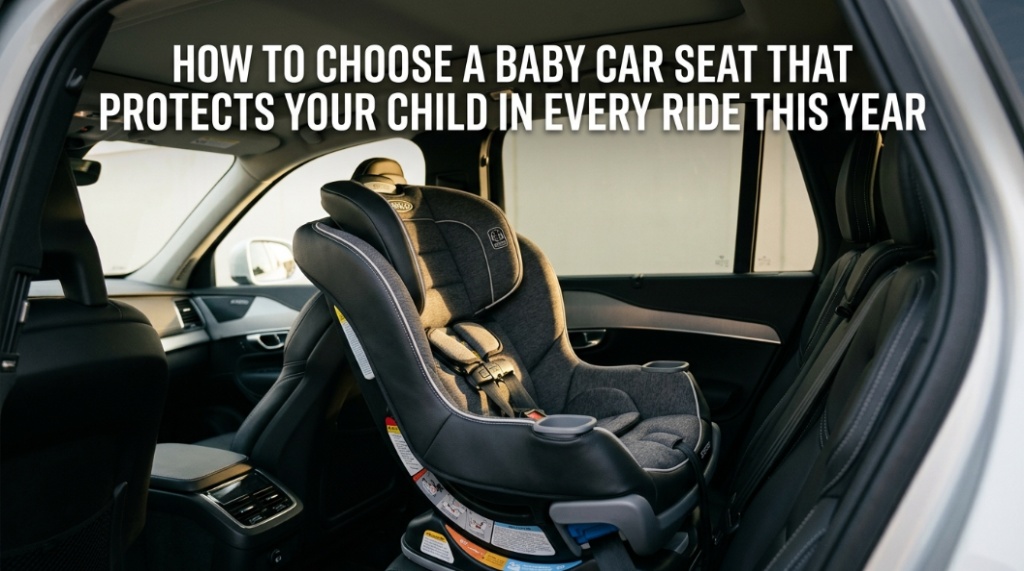
Choosing a baby car seat is one of the few parenting decisions that can influence outcomes in a crash before your child even says their first word. The most effective approach to infant car seat safety is simple: choose a seat that fits your child correctly, installs securely in your vehicle, and meets current safety standards. While many parents focus on brand names and extra features, proper installation and crash-tested design have a much greater impact on crash protection and overall child passenger safety.
What Is Infant Car Seat Safety and Why Does It Matter?
Direct Answer: Infant car seat safety refers to selecting, installing, and using a car seat correctly so it can protect a child during collisions, sudden stops, and everyday travel.
Motor vehicle crashes remain one of the leading causes of injury among children worldwide. A properly installed and appropriately sized car seat significantly reduces the risk of serious injury during an accident. Yet many seats are still used incorrectly due to installation mistakes, loose harnesses, or selecting the wrong size for a child’s age and weight.
Parents often assume that every car seat provides equal protection. In reality, the safest seat is the one that matches your child’s size, fits your vehicle properly, and is used exactly as intended by the manufacturer.
Understanding the basics of child passenger safety helps families make informed decisions rather than relying solely on marketing claims.
How Do You Choose the Right Baby Car Seat for Maximum Crash Protection?
Direct Answer: Choose a car seat based on your child’s age, height, weight, vehicle compatibility, and ease of correct installation.
Before comparing brands or features, start with fit and compatibility. A premium seat that does not fit your vehicle correctly may offer less protection than a properly installed mid-range model.
Parents researching vehicle safety products often compare different transportation-related equipment before purchasing. Understanding product quality, durability, and long-term value is similar to evaluating other automotive essentials discussed in this guide about investing wisely in automotive repair equipment.
Key Factors to Consider
- Child’s age and developmental stage
- Height and weight limits
- Side-impact protection features
- Five-point harness system
- Vehicle compatibility
- Ease of installation
- Federal safety certification compliance
- Adjustable headrest and harness settings
- Seat expiration date
- Manufacturer’s reputation and recalls history
Many child safety experts recommend prioritizing ease of installation because incorrect installation remains a common problem among caregivers.
Which Type of Baby Car Seat Is Best for Different Ages?
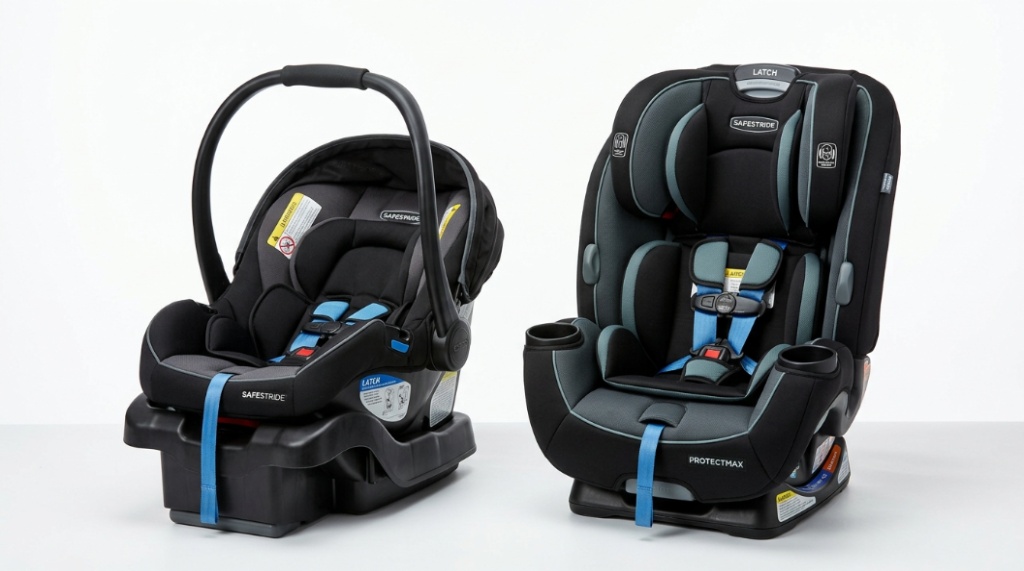
Direct Answer: Rear-facing infant seats are best for newborns, convertible seats work for growing children, and booster seats become appropriate as children get older and larger.
Not all car seats serve the same purpose. Understanding the different categories helps parents select the safest option for each stage.
| Car Seat Type | Recommended Age | Main Benefit | Best Use |
|---|---|---|---|
| Infant Car Seat | Birth to about 12–24 months | Portable rear-facing design | Newborns and infants |
| Convertible Car Seat | Birth to preschool age | Rear and forward-facing capability | Long-term use |
| All-in-One Seat | Birth through booster years | Multiple configurations | Maximum longevity |
| Booster Seat | School-age children | Proper seat belt positioning | Older children |
Should Babies Stay Rear-Facing Longer?
Yes. Rear-facing travel offers superior protection for the head, neck, and spine during frontal impacts. Many safety organizations recommend keeping children rear-facing until they reach the maximum height or weight limits allowed by their seat.
What Safety Features Should Parents Look for in a Baby Car Seat?
Direct Answer: Focus on crash-tested construction, side-impact protection, a five-point harness, energy-absorbing materials, and easy installation systems.
Safety features vary across manufacturers, but several components consistently contribute to better protection.
Modern transportation safety technologies continue evolving across multiple mobility sectors. Similar innovations in design efficiency and operational management can be seen across broader transportation industries, including vehicle management strategies that emphasize safety, efficiency, and user experience.
Most Important Safety Features
- Five-point harness: Distributes crash forces across stronger body areas.
- Side-impact protection: Helps protect the head and torso.
- Energy-absorbing foam: Reduces impact forces.
- LATCH system compatibility: Simplifies installation.
- Adjustable headrest: Maintains proper positioning as children grow.
- Anti-rebound technology: Limits seat movement after a collision.
- Load leg support: Reduces crash energy transfer in some models.
While advanced features can be valuable, they should never replace correct installation and proper harness use.
How Can You Tell If a Car Seat Meets Current Safety Standards?
Direct Answer: Check for federal certification labels, manufacturer testing information, and compliance with current child restraint regulations.
Every legal car seat sold through authorized retailers must meet applicable government safety standards. Parents should verify certification labels attached to the seat and review manufacturer documentation.
When evaluating safety compliance, look for:
- Federal safety certification labels
- Manufacturing date information
- Expiration date details
- Registration card for recall notifications
- Clear installation instructions
- Published testing and safety information
Avoid purchasing expired seats or products with missing labels, unknown history, or visible damage.
How Important Is Proper Installation for Child Passenger Safety?
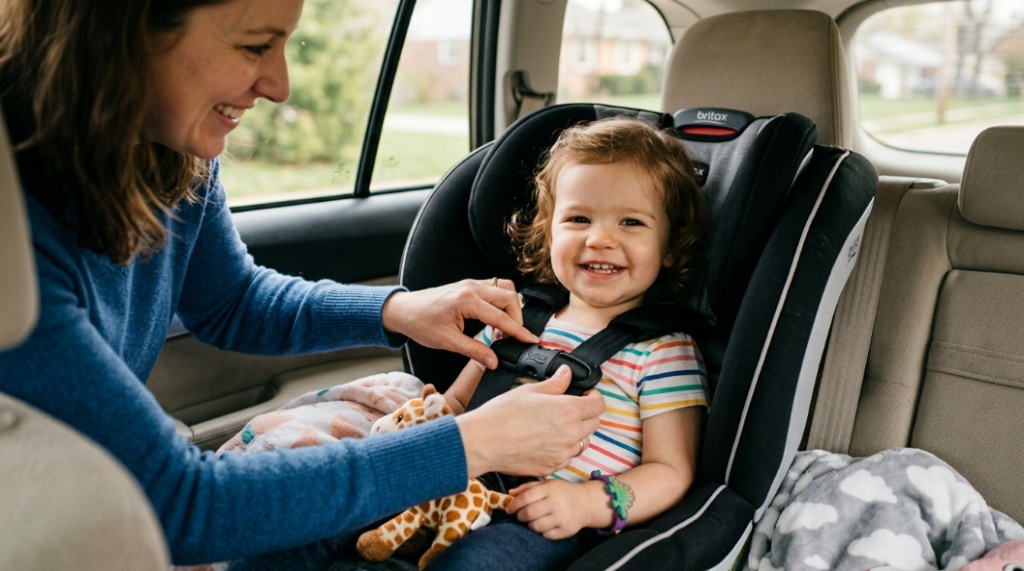
Direct Answer: Proper installation is critical because even the safest car seat cannot provide full protection if installed incorrectly.
Installation errors are among the most common child passenger safety issues. Common mistakes include loose attachment points, incorrect recline angles, improperly routed seat belts, and unsecured harness straps.
Installation Best Practices
- Read both the vehicle owner’s manual and car seat manual.
- Confirm the seat moves less than one inch side-to-side at the belt path.
- Use either the seat belt or LATCH system according to manufacturer instructions.
- Maintain the recommended recline angle.
- Check harness positioning before every trip.
- Inspect installation periodically.
Many communities offer child passenger safety inspection services where certified technicians verify proper installation.
What Harness Position Is Safest for an Infant?
Direct Answer: For rear-facing infants, harness straps should be positioned at or slightly below shoulder level and fit snugly against the child’s body.
The harness is responsible for keeping a child securely positioned during a crash. Loose straps allow excessive movement, reducing protection.
Harness Safety Checklist
- Harness lies flat without twists.
- Chest clip sits at armpit level.
- Straps pass the pinch test.
- Bulky coats are removed before buckling.
- Head remains properly supported.
Many parents unintentionally leave straps too loose, especially during colder months when thick clothing creates extra space.
Should You Buy a Used Baby Car Seat?
Direct Answer: Only purchase a used car seat if its complete history is known and it has never been involved in a crash, recalled, damaged, or expired.
Used car seats may seem cost-effective, but hidden risks can compromise safety. Damage from previous accidents may not be visible externally.
If considering a second-hand seat, verify:
- No crash history
- No recalls
- Original instruction manual available
- All labels intact
- No missing components
- Expiration date not exceeded
When safety history cannot be verified, purchasing a new seat is generally the safer option.
How Do You Know When It Is Time to Replace a Baby Car Seat?
Direct Answer: Replace a car seat when it reaches its expiration date, suffers crash damage, becomes recalled, or no longer fits your child.
Most manufacturers specify expiration periods because materials can degrade over time. Safety standards and technologies also evolve.
Replace Your Seat If:
- The expiration date has passed.
- The seat was involved in a moderate or severe collision.
- A safety recall affects the model.
- Structural damage is visible.
- Your child exceeds height or weight limits.
Regular inspections help identify wear that may impact long-term performance.
Where Can Parents Find Reliable Car Seat Recommendations?
Direct Answer: Use trusted safety organizations, certified child passenger safety resources, manufacturer specifications, and independent testing results.
Not every highly rated online product review focuses on genuine safety criteria. Parents should prioritize objective testing data and compliance information.
For families comparing highly rated models and reviewing safety-focused buying recommendations, this detailed guide to the best baby car seats for growing families offers useful insights into important features, usability, and protection considerations.
Combining expert recommendations with vehicle compatibility checks leads to more confident purchasing decisions.
Conclusion: What Is the Safest Way to Protect Your Child on Every Ride?
The best approach to infant car seat safety is not choosing the most expensive model—it is selecting the right seat for your child’s size, installing it correctly, and using it consistently on every trip. Effective crash protection depends on proper fit, secure installation, correct harness positioning, and adherence to current safety guidelines.
Parents who stay informed about recalls, replacement timelines, and evolving child passenger safety recommendations significantly improve protection during everyday travel. If you’re still comparing models, reviewing expert evaluations and practical buying considerations can help simplify the decision-making process while ensuring your child remains secure from the first ride home through every milestone that follows.
Take a few minutes today to inspect your current installation, verify weight and height limits, and ensure your child’s harness fits correctly. Small adjustments can make a meaningful difference when safety matters most.
Frequently Asked Questions About Infant Car Seat Safety
What is the safest position for a baby car seat?
Answer: The rear seat is generally the safest location, preferably the center position when a secure installation can be achieved according to manufacturer instructions.
How long should a baby stay in a rear-facing car seat?
Answer: Children should remain rear-facing until they reach the maximum height or weight limits specified by the car seat manufacturer.
Can a newborn use a convertible car seat?
Answer: Yes. Many convertible seats are designed for newborn use when adjusted according to manufacturer’s requirements and minimum weight specifications.
Is the LATCH system safer than a seat belt installation?
Answer: Neither method is inherently safer. The safest option is whichever installation method allows a secure, correct fit according to instructions.
Can bulky winter clothing affect car seat safety?
Answer: Yes. Thick coats can create slack in the harness, reducing effectiveness during a collision. Use blankets over the harness instead.
How often should car seat installation be checked?
Answer: Check installation regularly and inspect harness fit before every trip to ensure continued protection.
Do all baby car seats provide the same crash protection?
Answer: All certified seats meet required safety standards, but design features, ease of installation, fit, and proper usage can influence real-world performance.


