
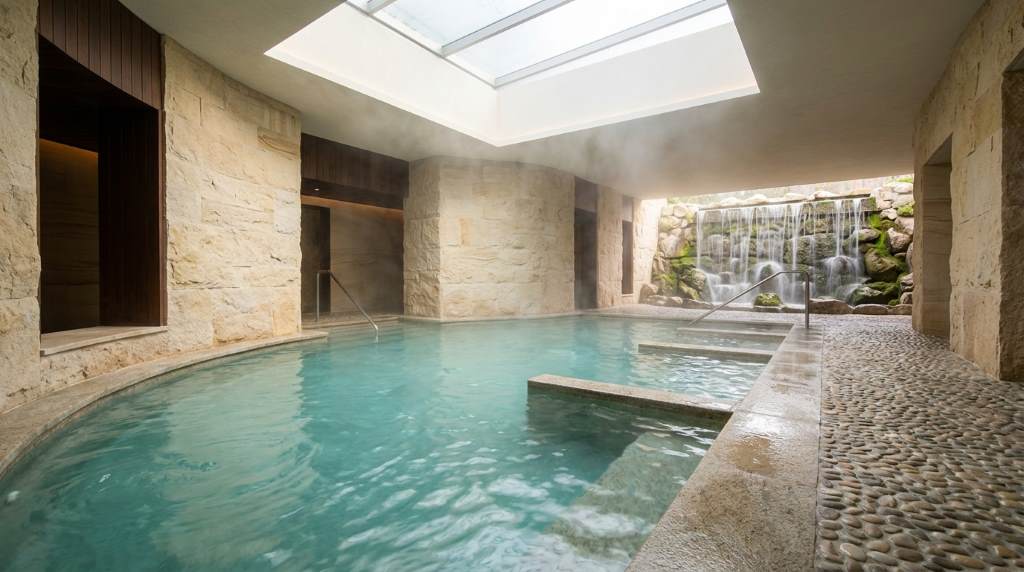
Millions of people worldwide are discovering the transformative power of water-based wellness. According to the Global Wellness Institute, the spa industry generates over $119 billion annually, with hydrotherapy services among the fastest-growing segments. A well-planned hydrotherapy circuit spa guide helps you navigate thermal pools, contrast baths, and jet treatments with confidence. Whether you are a first-timer or a regular spa visitor, understanding the circuit process maximizes every minute of your visit. This guide covers everything you need to know to get the most out of your hydrotherapy experience. We suggest visiting the laser hair removal in midtown Manhattan.
What Is a Hydrotherapy Circuit and How Does It Work?
A hydrotherapy circuit is a structured sequence of water-based treatments designed to boost circulation, ease muscle tension, and promote deep relaxation. Each station in the circuit uses a different water temperature or pressure to stimulate specific physiological responses. Most circuits include hot pools, cold plunge pools, steam rooms, and jet showers arranged in a deliberate order. The contrast between hot and cold water forces blood vessels to expand and contract, which improves cardiovascular function. Completing the full circuit typically takes between 60 and 120 minutes depending on the facility.
The Science Behind Thermal Contrast Therapy
Thermal contrast therapy is the backbone of every effective hydrotherapy circuit. When you move from hot water to cold, your body activates the autonomic nervous system and releases endorphins. Hot water dilates blood vessels and relaxes tight muscles, while cold water reduces inflammation and boosts alertness. Research published in the North American Journal of Medical Sciences confirms that contrast hydrotherapy significantly reduces delayed onset muscle soreness. This alternating effect creates a natural pumping action in the circulatory system that no single temperature can achieve alone. Visit the best anti aging facial in midtown Manhattan to get the best care for anti aging.
Understanding the Role of Each Station
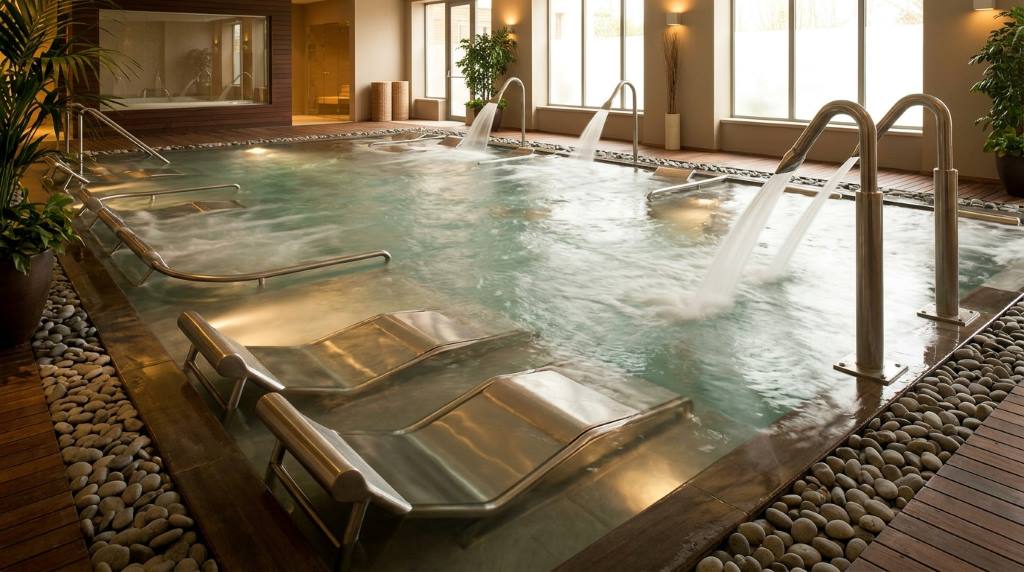
Every station in a hydrotherapy circuit serves a specific purpose within the overall wellness journey. The hot pool or thermal bath opens up pores and loosens connective tissue for deeper relaxation. The cold plunge or cool shower closes pores, tones the skin, and re-energizes the body. Steam rooms add moist heat that supports respiratory health and skin hydration. Rest stations between treatments allow your body to integrate each thermal transition before moving to the next.
Key Benefits of Following a Hydrotherapy Circuit Spa Guide
Following a structured hydrotherapy circuit spa guide ensures you experience the full range of physical and mental benefits. Random use of spa facilities often leads to overstimulation or missing important steps that complete the therapeutic cycle. A proper guide teaches you the correct sequence, timing, and hydration strategies. Studies show that structured circuit use leads to better sleep quality, reduced cortisol levels, and improved lymphatic drainage compared to unstructured spa visits. Knowing what to expect also reduces first-visit anxiety and helps you relax from the very beginning.
Physical Benefits You Will Notice Quickly
The physical rewards of hydrotherapy begin after just one properly completed circuit session. Joint pain and stiffness decrease noticeably as warm water buoyancy reduces pressure on the skeletal system. Skin tone improves because alternating temperatures stimulate collagen production and increase oxygen delivery to surface cells. Athletes and active individuals use hydrotherapy circuits regularly to speed up muscle recovery after intense training. Even people with chronic conditions like fibromyalgia report measurable relief following consistent spa circuit routines.
Mental and Emotional Wellness Gains
Beyond the physical, hydrotherapy delivers powerful mental health benefits that are often overlooked. The warm water environment triggers the parasympathetic nervous system, shifting your body from stress mode into deep rest. Many guests report feeling a profound sense of calm that lasts for days after a circuit session. Mindfulness naturally increases during hydrotherapy because the sensory experience demands your full attention. Regular circuit visits have been linked to lower anxiety scores and improved mood stability in wellness research.
How to Prepare for Your First Hydrotherapy Circuit Visit
Proper preparation makes a significant difference in the quality and comfort of your hydrotherapy circuit experience. Arrive at least 30 minutes early to complete any intake forms, change comfortably, and hydrate before entering the water. Avoid eating a heavy meal within two hours of your session to prevent nausea during hot pool immersion. Bring a reusable water bottle, a comfortable robe, and water-resistant sandals for moving between stations. Inform the spa staff of any medical conditions such as heart disease, low blood pressure, or pregnancy before beginning the circuit.
What to Wear and Bring
Most hydrotherapy facilities require guests to wear swimwear throughout the circuit. A well-fitted one-piece or two-piece swimsuit made from chlorine-resistant fabric holds up best in thermal pools. Pack a microfiber towel that dries quickly between stations and takes up minimal locker space. Many spas provide robes, slippers, and towels, but confirming this in advance helps you pack efficiently. Avoid wearing jewelry, heavy moisturizers, or strong perfumes, as these interfere with water chemistry and fellow guests’ experience.
The Recommended Hydrotherapy Circuit Sequence for Maximum Results
Following the correct sequence is the most important factor in getting genuine therapeutic results from your visit. Most spa professionals recommend beginning with a warm shower to rinse off and acclimatize your body to the humid environment. Move next into the steam room or sauna for 10 to 15 minutes to raise your core temperature gradually. Transition to the hot thermal pool for another 10 minutes, focusing on slow, deep breathing. Then take a brief cold shower or cold plunge for 30 to 60 seconds before resting quietly for at least five minutes.
Timing Each Station Correctly
Time management within the circuit directly affects how well your body responds to each treatment. Spending too long in hot pools can cause dizziness or overheating, so set a gentle timer for each station. The cold exposure phase should feel brisk but not painfully shocking, especially for beginners. Rest phases between stations are not optional because they allow your heart rate to normalize. Most experienced spa guests complete two to three full thermal cycles during a single session for compounding benefits.
Staying Hydrated Throughout the Circuit
Hydration is one of the most overlooked elements in any hydrotherapy circuit spa guide. Your body loses significant fluid through sweat during hot pool and steam room sessions even without feeling thirsty. Drink at least one full glass of water before entering the circuit and sip water during every rest phase. Electrolyte drinks can be helpful after particularly long or intense sessions in high-heat environments. Avoid alcohol entirely before or during your visit, as it impairs thermoregulation and increases dehydration risk.
Hydrotherapy Circuit Spa Guide for Beginners vs. Advanced Visitors
Beginners and experienced spa-goers approach the hydrotherapy circuit very differently, and both approaches are completely valid. New visitors should start with shorter sessions of 45 to 60 minutes and limit cold exposure to a brief cool shower rather than a full cold plunge. Advanced guests can extend their sessions, use deeper cold plunges, and increase the number of thermal cycles in a single visit. Both groups benefit from checking in with their bodies throughout the circuit and never pushing through discomfort. Listening to your body is always the most important rule regardless of experience level.
Final Verdict
A hydrotherapy circuit spa guide gives you the knowledge and confidence to use spa facilities safely, effectively, and enjoyably. From preparing your body before arrival to mastering the thermal contrast sequence, every step in this guide serves your overall wellness goal. Regular hydrotherapy sessions deliver lasting benefits for your muscles, mind, circulation, and skin when practiced consistently. Now that you understand the full circuit process, it is time to book your first or next session and experience the results firsthand. Find a reputable spa near you, follow this guide, and let the water do its powerful work. Finally, we recommended the best facials in midtown Manhattan and the best manicure in midtown Manhattan to know more details.


