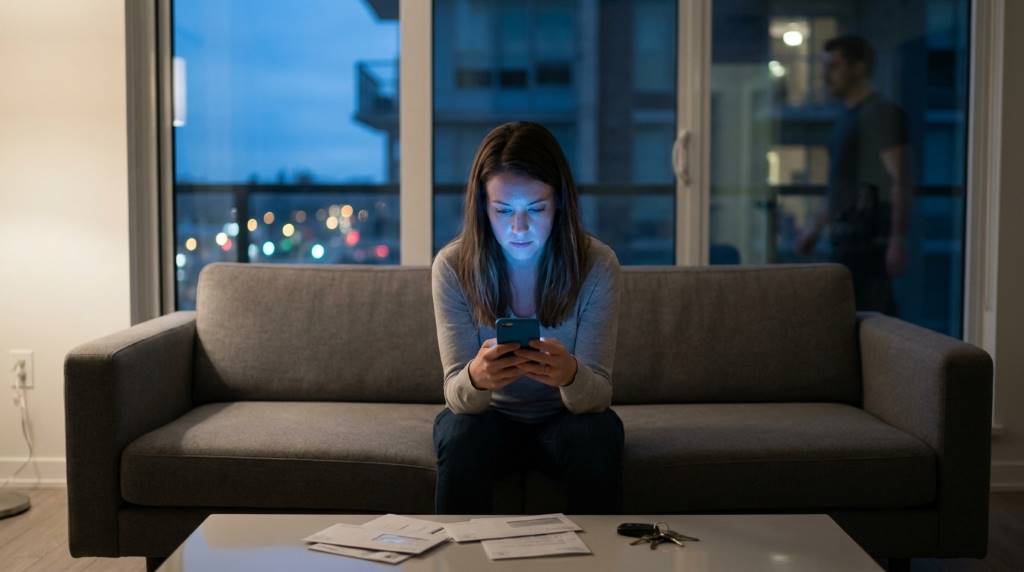
Privacy has become a major concern for many households today. Recent surveys show that over 80% of Americans worry about digital tracking in daily life. At the same time, smartphone users check their devices dozens of times each day. Because of these trends, many privacy focused homeowners rethink technology habits indoors. In Seattle, this movement continues to grow as residents value personal space and digital boundaries. Some families even explore topics like bathroom privacy and phone habits when creating healthier home environments.
The Rise of Privacy Focused Living in Seattle
Seattle has long attracted people who value innovation and independence. However, many residents now seek balance between technology and personal privacy. As digital devices collect more information, homeowners become increasingly cautious. Therefore, many households establish clear boundaries around phone use inside private spaces.
The city’s culture also encourages mindful living and intentional choices. Residents often invest in smart home security while limiting unnecessary data collection. Furthermore, many homeowners understand how connected devices exchange information constantly. As a result, phone restrictions have become part of broader privacy strategies.
Seattle’s weather also plays a role in household habits. Long rainy seasons encourage people to spend more time indoors. Consequently, families pay closer attention to indoor routines and digital behavior. Many discover that reducing phone dependence improves both privacy and household relationships.
Why Phones Create Privacy Concerns at Home
Modern smartphones function as powerful data collection tools. They store location records, conversations, browsing history, and personal preferences. Although these features offer convenience, they also introduce privacy risks. Therefore, some homeowners limit phone use in sensitive areas.
Many residents learn about technology through projects involving how blackdecker power tools integrate modern technology concepts into everyday products. Consequently, people become more aware of connected devices around them. This awareness often extends to smartphones and their data practices. As understanding grows, privacy habits become more intentional.
Phones also contain microphones, cameras, and wireless communication systems. While manufacturers include security protections, concerns still remain. Moreover, some users prefer reducing potential exposure whenever possible. For that reason, privacy focused households create designated phone free zones.
Continuous Data Collection
Many apps gather information even when users are not actively using them. Location services, notifications, and background activity continue throughout the day. Therefore, privacy minded homeowners often review device permissions carefully. Some also limit phone use in areas where sensitive discussions occur.
Digital Distraction Risks
Privacy involves more than protecting personal information. It also includes preserving attention and meaningful interactions. Frequent phone use can interrupt conversations and family activities. Consequently, many households encourage device free periods during the day.
How Seattle Homes Design Spaces for Privacy
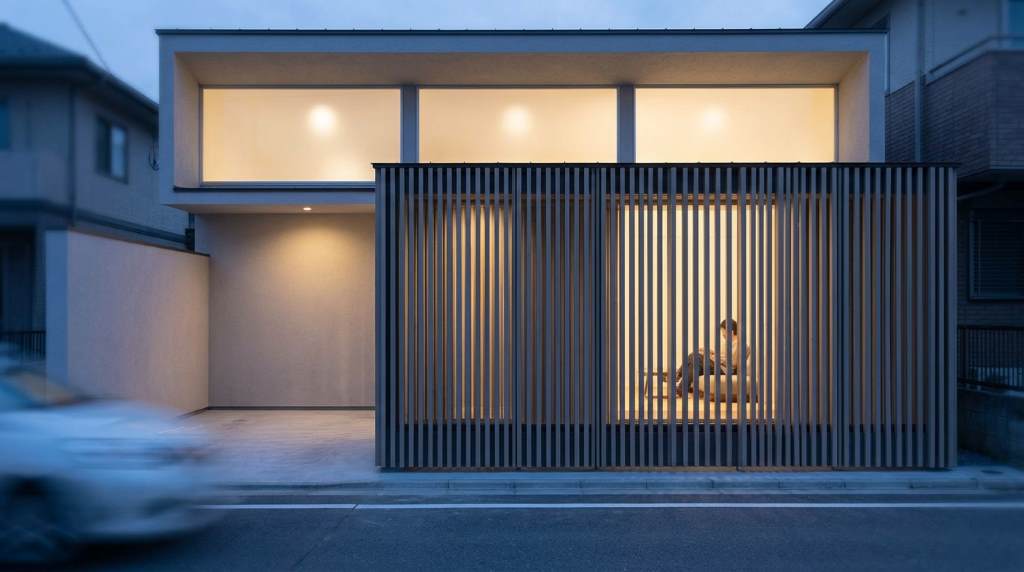
Privacy focused homes often incorporate intentional room layouts. These designs create separation between digital activity and personal spaces. Furthermore, homeowners identify areas where technology use remains limited. This approach helps maintain clear boundaries within the home.
Bathrooms, bedrooms, and reading corners commonly become phone restricted areas. During renovation projects, homeowners may draw inspiration from make the most bathroom planning ideas that emphasize comfort and functionality. As a result, these spaces encourage relaxation rather than constant connectivity. Residents often report improved focus and reduced stress.
Seattle homes frequently include cozy indoor areas because of the local climate. Rainy weather creates opportunities for reflection, reading, and family activities. Therefore, homeowners design environments that support these experiences. Limiting phone use often becomes a natural part of that strategy.
Dedicated Technology Zones
Many households designate specific locations for charging devices. This simple practice prevents phones from following residents everywhere. Additionally, it reduces the temptation to check notifications constantly. Over time, the habit becomes easy to maintain.
- Central charging stations in common areas
- Device baskets near entrances
- Technology free bedrooms
- Restricted phone use during meals
The Connection Between Privacy and Mental Well Being
Many homeowners discover that privacy and mental health are closely connected. Constant connectivity often creates feelings of pressure and distraction. However, limiting phone use can create a calmer environment. As a result, residents gain more control over their daily routines.
Researchers continue studying how digital habits affect attention and stress levels. Although phones provide many benefits, excessive use can increase mental fatigue. Therefore, privacy focused households often prioritize intentional technology use. This balance supports healthier daily experiences.
Seattle residents frequently spend long periods indoors during wet seasons. Consequently, indoor habits significantly influence overall well being. Families that reduce unnecessary screen time often report stronger connections. They also experience fewer interruptions during meaningful conversations.
A Unique Reason Many Privacy Homes Limit Phones
One overlooked factor involves acoustic privacy inside modern homes. Many people focus on data security but ignore sound privacy. Yet smartphones often accompany voice assistants, video calls, and recorded messages. Therefore, homeowners consider how these devices affect private conversations.
Seattle’s compact urban neighborhoods create additional considerations. Homes sometimes sit close together, especially in popular residential districts. As a result, residents pay greater attention to personal space and quiet environments. Limiting phone use helps maintain those boundaries.
A less discussed practice involves creating reflection rooms without digital devices. These spaces support journaling, reading, meditation, or creative thinking. Furthermore, they provide relief from constant digital stimulation. Few blogs discuss this approach, yet many privacy focused homeowners find it valuable.
Benefits Families Experience After Limiting Phone Use
Families often notice positive changes after establishing technology boundaries. Conversations become more engaging and less interrupted. Additionally, household members spend more time participating in shared activities. These improvements often strengthen relationships.
Children also benefit from clear technology expectations. Consistent household rules create structure and encourage healthier habits. Moreover, parents can model balanced digital behavior effectively. Therefore, privacy focused environments support long term development.
Many homeowners report practical benefits as well. Reduced device use can improve sleep quality and daily focus. Furthermore, fewer distractions often increase productivity. These outcomes make privacy efforts worthwhile for many households.
- Improved family communication
- Better concentration
- Enhanced sleep habits
- Greater awareness of personal privacy
- Reduced digital stress
Privacy Focused Renovations and Home Planning
Home design often influences behavior more than people realize. Therefore, privacy minded homeowners integrate technology boundaries during renovations. Strategic layouts can naturally reduce device dependence. This approach makes healthy habits easier to maintain.
During remodeling projects, homeowners sometimes explore big ideas small bathrooms that support comfort and privacy. Thoughtful room planning encourages people to disconnect temporarily. Consequently, private spaces feel more relaxing and purposeful. Design choices often shape long term routines.
Many Seattle residents also favor natural materials and calming interiors. Wood finishes, soft lighting, and quiet corners support mindful living. Additionally, these features reduce sensory overload. Together, they create environments where phone use feels less necessary.
Practical Ways to Reduce Phone Dependence at Home
Creating a privacy focused environment does not require extreme measures. Small adjustments often produce meaningful results. Furthermore, gradual changes tend to last longer. Consistency matters more than perfection.
Start by identifying areas where privacy matters most. Then establish simple guidelines for device use. Family discussions can help everyone understand the purpose behind these changes. As a result, household members often cooperate more willingly.
Consider implementing the following strategies:
- Keep phones outside bedrooms overnight
- Schedule daily technology free periods
- Use traditional alarm clocks
- Create reading or relaxation zones
- Store devices away during meals
- Review app permissions regularly
- Limit notifications to essential alerts
Balancing Technology and Privacy
Privacy focused homes do not reject technology completely. Instead, they use it intentionally and thoughtfully. Smartphones remain useful tools for communication and productivity. However, residents decide when and where those tools belong.
Seattle homeowners often embrace this balanced approach successfully. They appreciate innovation while protecting personal space. Moreover, they recognize that privacy requires active choices. Therefore, limiting phone use becomes a practical lifestyle decision rather than a restriction.
By creating clear boundaries, households enjoy both convenience and privacy. These habits support stronger relationships and healthier routines. Consequently, many residents continue adopting privacy focused practices. The trend reflects growing awareness of digital life and personal well being.
Conclusion
Privacy focused homes in Seattle limit phone use for several meaningful reasons. Homeowners want stronger privacy, better mental health, and healthier daily routines. Furthermore, intentional technology boundaries help create calmer living environments. As digital concerns continue growing, these practices become increasingly relevant.
If you want greater privacy at home, start with small changes today. Create one phone free space and observe the results. Then expand successful habits throughout your household. A thoughtful approach can improve privacy, focus, and overall quality of life.
FAQs
Why do privacy focused homes restrict phone use?
They reduce digital tracking risks and create stronger personal boundaries.
Do phone free zones improve family communication?
Yes, they reduce distractions and encourage more meaningful conversations.
Why is Seattle a good place for privacy focused living?
Many residents value intentional lifestyles, personal space, and digital awareness.
Can limiting phone use improve sleep quality?
Yes, reducing nighttime screen exposure often supports better sleep habits.
Do privacy focused homes avoid technology completely?
No, they use technology selectively while maintaining healthy boundaries.