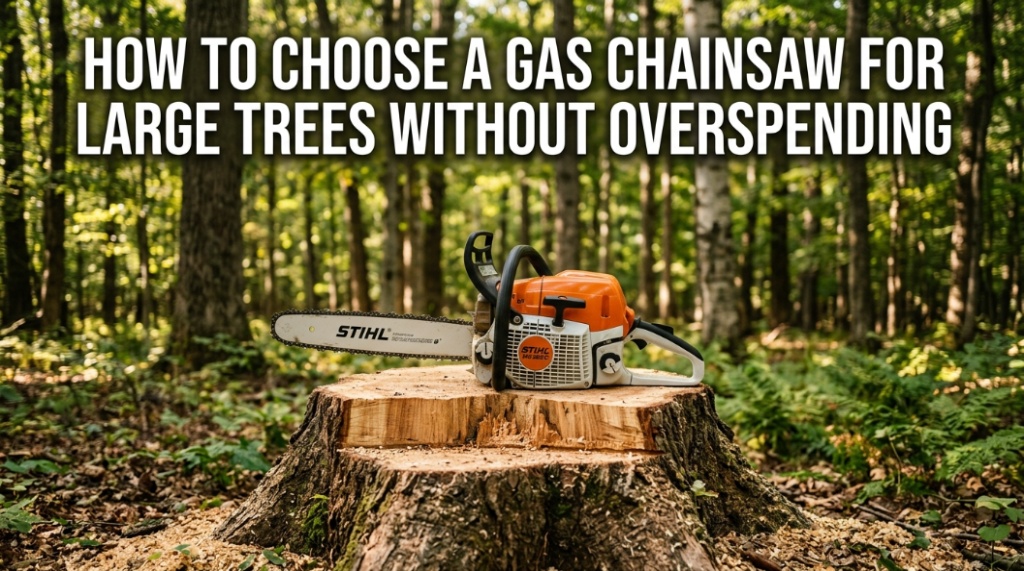
A tree-felling chainsaw should be sized for the wood, not your ego or the biggest model on a showroom shelf. Most homeowners waste hundreds of dollars buying oversized saws they rarely use, while professionals know that matching engine power, bar length, and cutting conditions delivers better performance and lower costs. If you’re planning to cut large trees, clear storm-damaged timber, or manage acreage, choosing the right gas chainsaw can save money, improve safety, and reduce fatigue.
Many buyers assume a bigger engine automatically means better results. That misconception often leads to heavier equipment, higher fuel consumption, increased maintenance costs, and reduced maneuverability. The reality is that a well-matched chainsaw can handle large-diameter trees efficiently without requiring professional logging equipment or premium commercial pricing.
This guide explains exactly how to choose a gas chainsaw for large trees without overspending. You’ll learn the ideal engine size, recommended bar lengths, important safety features, buying mistakes to avoid, and how to compare models based on real cutting performance rather than marketing claims.
What Is the Best Gas Chainsaw Size for Large Trees?
The best gas chainsaw for large trees typically has a 50cc–70cc engine paired with an 18–24-inch guide bar, offering enough cutting power without the excessive weight and cost of industrial logging saws.
Engine displacement, measured in cubic centimeters (cc), determines how much power a chainsaw produces. Larger trees require more torque to maintain chain speed while cutting through dense hardwood species such as oak, maple, hickory, or ash.
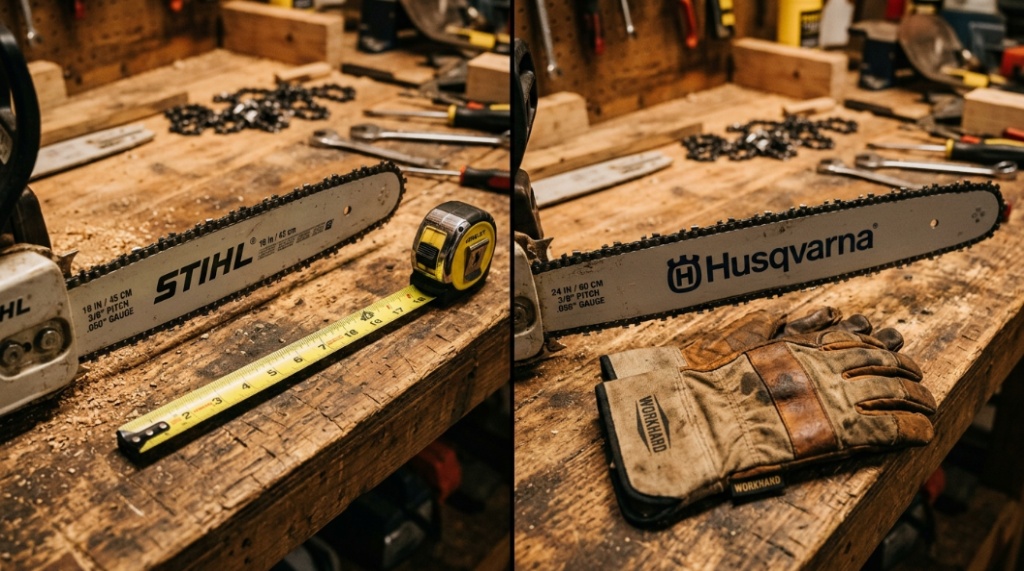
General sizing guidelines include:
- 35cc–45cc: Small trees and routine yard maintenance
- 50cc–60cc: Medium to large trees and firewood processing
- 60cc–70cc: Large-diameter trees and heavy-duty land management
- 70cc+: Professional logging and commercial forestry operations
For most property owners, a 60cc-class saw provides the ideal balance of power, durability, and affordability. Many arborists consider this category the sweet spot for occasional large-tree work.
If you’re researching region-specific recommendations and performance-tested models, this guide covering top gas chainsaws for demanding cutting conditions offers useful comparisons for buyers evaluating different power classes.
How Much Power Does a Tree Felling Chainsaw Actually Need?
A tree-felling chainsaw needs enough horsepower to maintain chain speed under load, not simply the highest power rating available.
Many manufacturers advertise horsepower aggressively, but experienced users focus on power-to-weight ratio. A lighter chainsaw with efficient power delivery often outperforms a heavier machine with slightly higher horsepower.
Consider these common scenarios:
| Tree Diameter | Recommended Engine | Typical Bar Length |
|---|---|---|
| 12–18 inches | 45cc–55cc | 16–18 inches |
| 18–24 inches | 55cc–65cc | 18–20 inches |
| 24–36 inches | 60cc–70cc | 20–24 inches |
| 36+ inches | 70cc+ | 24–36 inches |
Hardwood species demand more power than softwoods. A 24-inch oak requires significantly more cutting force than a similarly sized pine tree.
Professionals working in forestry operations often select saws based on expected wood density, average trunk diameter, and daily production targets rather than maximum engine displacement.
What Bar Length Is Best for Cutting Large Trees?
An 18–24-inch guide bar is the most practical choice for most large-tree cutting tasks because it balances reach, control, weight, and cost.
Bar length affects cutting capacity, but longer is not always better. Longer bars require more engine power, increase overall weight, and can reduce maneuverability during felling operations.
Advantages of properly matched bar lengths include:
- Improved cutting efficiency
- Reduced operator fatigue
- Better balance during directional felling
- Lower chain wear
- Improved fuel economy
Many homeowners purchase 28-inch or 32-inch bars believing they are necessary for large trees. In reality, experienced operators frequently use shorter bars and employ plunge-cutting techniques when necessary.
For occasional property maintenance, a 20-inch bar remains one of the most versatile options available.
Can You Cut a Tree Larger Than Your Bar Length?
Yes. A tree can be safely cut even when trunk diameter exceeds bar length by using advanced cutting techniques such as bore cuts and multi-pass felling methods.
Professional arborists regularly cut trunks significantly larger than their guide bars. Proper technique often matters more than bar length alone.
Which Features Prevent Overspending on a Powerful Chainsaw?
The most valuable chainsaw features improve reliability, comfort, and cutting performance rather than adding unnecessary complexity.
Modern gas chainsaws include numerous upgrades, but not all justify higher prices.
Features worth paying for:
- Automatic chain lubrication
- Side-access chain tensioning
- Anti-vibration technology
- Tool-free air filter access
- Magnesium crankcase construction
- High-efficiency air filtration systems
- Decompression valve for easier starting
Features that often provide limited value for occasional users:
- Electronic monitoring systems
- Premium cosmetic upgrades
- Oversized bars included in package deals
- Commercial-grade accessories unnecessary for residential work
Landowners interested in maintaining healthy outdoor spaces may also appreciate practical ideas from this article about creating and enjoying beautiful garden landscapes, especially after tree removal projects open new planting opportunities.
Should You Buy a Professional Logging Chainsaw?
Most homeowners do not need a professional logging chainsaw because residential cutting rarely justifies the extra cost, weight, and maintenance requirements.
Professional logging equipment is engineered for continuous daily operation under demanding conditions. These machines typically feature:
- Higher-output engines
- Stronger crankshafts
- Heavy-duty bearings
- Commercial air filtration systems
- Premium clutch assemblies
- Enhanced durability components
While impressive, these upgrades can increase purchase prices by hundreds of dollars.
Acreage owners who fell several large trees annually usually gain more value from a high-quality farm-and-ranch chainsaw than from elite commercial forestry equipment.
What Makes Professional Logging Saws Different?
Professional logging saws prioritize continuous operation, rapid acceleration, and maximum durability for demanding forestry environments.
Which Chainsaw Brands Deliver the Best Value?
The best-value chainsaw brands combine reliability, service support, replacement parts availability, and long-term durability.
Several manufacturers consistently receive strong reviews from arborists, landowners, and forestry professionals.
| Brand | Known For | Best Buyer Type |
|---|---|---|
| Stihl | Durability and dealer support | Frequent users |
| Husqvarna | Performance and ergonomics | Large-property owners |
| Echo | Value and reliability | Budget-conscious buyers |
| Makita | Build quality | Intermediate users |
| Poulan Pro | Affordability | Occasional users |
Instead of focusing solely on brand reputation, compare warranty coverage, local service availability, replacement chain costs, and parts accessibility.
How Important Are Safety Features When Felling Large Trees?
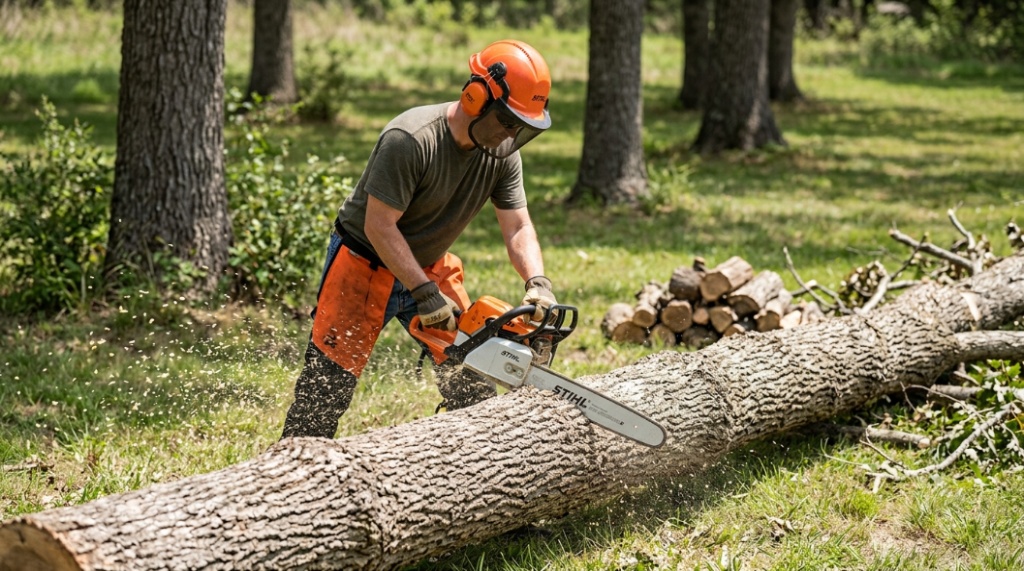
Safety features are essential because chainsaw injuries often occur during kickback events, improper felling cuts, or loss of control.
According to injury data published by multiple safety organizations, chainsaw-related accidents continue to send thousands of people to emergency departments annually. Proper equipment significantly reduces risk.
Important safety features include:
- Chain brake systems
- Chain catchers
- Throttle lockouts
- Low-kickback chains
- Anti-vibration handles
- Hand guards
Additional protective gear should include:
- Chainsaw chaps
- Safety helmet
- Hearing protection
- Cut-resistant gloves
- Steel-toe boots
- Face shield or safety glasses
No amount of chainsaw power compensates for inadequate safety preparation.
How Can You Save Money Without Sacrificing Performance?
You can save money by matching chainsaw specifications to actual needs instead of buying the largest available model.
Cost-effective buying strategies include:
- Choose a 50cc–60cc model unless regularly cutting oversized hardwoods
- Avoid oversized guide bars
- Purchase during seasonal sales
- Compare local dealer promotions
- Invest in maintenance supplies early
- Buy extra chains instead of upgrading engine size
- Select proven models with widely available parts
One frequently overlooked factor is maintenance. A properly maintained mid-range chainsaw often cuts faster than a neglected premium model.
Keeping chains sharp, air filters clean, and fuel fresh dramatically improves cutting performance.
What Maintenance Extends Chainsaw Lifespan and Protects Your Investment?
Routine maintenance can double or even triple chainsaw service life while preserving cutting efficiency.
Critical maintenance tasks include:
- Sharpen the chain regularly
- Clean guide bar groove
- Inspect drive sprocket wear
- Replace fuel filters
- Check spark plug condition
- Clean cooling fins
- Inspect chain tension before each use
Modern outdoor equipment increasingly benefits from automation and technology. Innovations discussed in this article about robotic garden maintenance systems demonstrate how equipment efficiency continues evolving across landscaping and property-management industries.
Fuel quality also matters. Ethanol-blended fuel can degrade over time and damage carburetor components if stored improperly.
Many experienced users prefer pre-mixed fuel products for seasonal equipment because they remain stable longer and reduce maintenance issues.
What Common Chainsaw Buying Mistakes Should You Avoid?
The biggest chainsaw buying mistakes involve prioritizing size over suitability and ignoring long-term ownership costs.
Common mistakes include:
- Buying excessive engine displacement
- Choosing bars longer than necessary
- Ignoring local service support
- Purchasing low-quality replacement chains
- Skipping protective equipment
- Overlooking vibration comfort
- Selecting price alone without considering durability
Another mistake involves assuming commercial-grade equipment automatically delivers better value. For most landowners, mid-range professional-grade saws provide nearly identical results at significantly lower cost.
Conclusion: How Do You Choose a Gas Chainsaw for Large Trees Without Overspending?
The smartest way to choose a gas chainsaw for large trees is to focus on balance rather than maximum specifications. A 50cc–70cc engine, paired with an 18–24-inch bar, handles most large-tree cutting jobs efficiently while avoiding unnecessary costs associated with oversized professional logging equipment.
Prioritize power-to-weight ratio, safety features, reliable construction, service support, and maintenance simplicity. Select a chainsaw that matches the expected tree diameter and cutting frequency rather than purchasing the largest machine available. Long-term value comes from proper sizing, regular maintenance, and quality accessories—not simply engine size.
Property owners interested in broader land stewardship practices may also benefit from this practical permaculture design and sustainable property management guide, which complements responsible tree management and landscape planning.
Evaluate your needs carefully, compare specifications objectively, and invest in protective equipment alongside the chainsaw itself. The right purchase delivers years of reliable performance without stretching your budget.
Frequently Asked Questions
What size chainsaw is needed for a 30-inch tree?
A 60cc–70cc gas chainsaw with a 20–24-inch guide bar is typically suitable for a 30-inch tree. Proper cutting techniques can safely handle trunk diameters larger than bar length.
Is a 20-inch chainsaw bar large enough for tree felling?
Yes. A 20-inch bar is sufficient for many tree-felling applications and remains one of the most versatile configurations for property owners and land managers.
How much should I spend on a powerful chainsaw?
Most buyers can obtain a reliable, powerful chainsaw for large-tree work within the mid-range market segment. Spending more often adds commercial durability rather than noticeable cutting improvements for occasional users.
Which chainsaw brand lasts longest?
Brands such as STIHL, Husqvarna, and Echo are widely recognized for durability, strong dealer networks, and long service life when properly maintained.
Can a homeowner use a professional logging chainsaw?
Yes, but most homeowners do not require professional logging equipment. Farm-and-ranch models generally provide better value, lower weight, and easier handling.
What is the safest chainsaw for cutting large trees?
The safest chainsaw is one that matches the task, includes modern safety features, and is operated with proper protective equipment and correct cutting techniques.
How often should chainsaw chains be sharpened?
Sharpen chains whenever cutting performance declines, sawdust becomes fine instead of coarse chips, or increased pressure is needed during cuts. Frequent light sharpening is preferable to infrequent heavy sharpening.