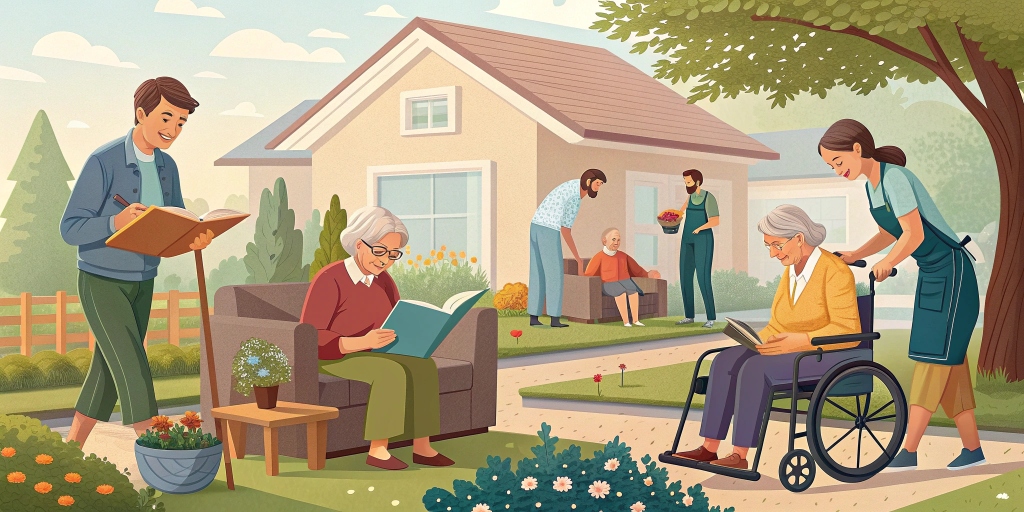
For many older adults, independence is closely tied to well-being, happiness, and dignity. As the desire to age in place continues to grow, access to quality senior home care offers seniors a vital pathway to maintain autonomy and a higher quality of life. These personalized services help seniors stay safely in their homes, surrounded by familiar environments and routines, while getting the support they need to thrive. Home care’s strength lies in its flexibility and focus on individual needs. Instead of rigid routines, caregivers create plans that fit seniors’ lifestyles and preferences. Whether it helps with personal care, chores, or social activities, home care empowers older adults to stay involved in their daily decisions, maintaining control. Today’s professionals focus on physical and emotional well-being, safety, and independence. Through modifications, encouragement, and companionship, they foster an environment where older adults build confidence and enjoy a fulfilling routine.
Personalized Care Plans
No two people age in the same way, which is why customized care is essential. When families choose senior in-home care services, a comprehensive assessment is typically conducted to develop a personalized care plan that reflects each individual’s preferences, goals, and medical or physical needs. This may involve assistance for a few hours each week with daily errands or continuous, around-the-clock support for managing chronic health conditions. By tailoring care to the individual, older adults are better able to maintain independence, preserve their dignity, and continue living comfortably in familiar surroundings.
Enhancing Safety at Home
Aging brings new safety concerns—falls, injuries, and medication mishaps are among the chief concerns. Home care professionals are trained to identify potential hazards and recommend solutions, such as non-slip mats, grab bars for bathrooms, and improved lighting. These small, impactful changes can transform a home into a safer space without disrupting daily life. According to the Centers for Disease Control and Prevention (CDC), simple fall prevention strategies can reduce emergency room visits and hospitalizations, making these safety upgrades essential for prolonged independence.
Promoting Social Engagement
Loneliness and isolation can pose serious risks to seniors’ physical and mental health, increasing the likelihood of depression and cognitive decline. Compassionate caregivers offer reliable companionship, engaging in conversations, facilitating hobbies, and joining community outings. Encouraging engagement in social communities not only enhances well-being but has also been linked to a lower risk of memory loss and greater life satisfaction.
Supporting Activities of Daily Living
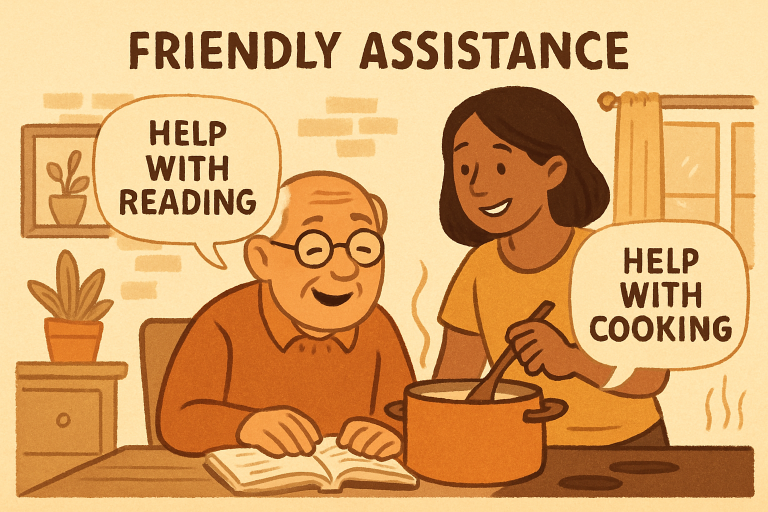
Many older adults need support with activities of daily living (ADLs) such as bathing, grooming, meal preparation, and medication reminders. Home care enables seniors to continue these routines with dignity, providing care in ways that maximize independence by stepping in only where necessary. This approach fosters a sense of accomplishment and allows seniors to maintain their routines as much as possible, thereby reducing stress associated with change or dependence.
Leveraging Technology for Independence
Modern technology is increasingly integrated into senior care, helping older adults remain independent while staying connected. Devices such as medical alert systems, smart medication dispensers, and video calling platforms enable quick communication with loved ones and caregivers. Automated lighting and voice assistant devices further support safety and convenience, creating a robust safety net that enhances confidence for seniors choosing to age in place.
Flexibility and Adaptability
Needs and health levels naturally shift over time, so flexibility in care is crucial. High-quality home care evolves alongside a senior’s condition, adding or reducing services as appropriate. This adaptability means seniors do not need to transition to institutional care every time their needs increase; they can remain at home, staying in control of their environment and lifestyle as their situation changes.
Economic Benefits of In-Home Care
When comparing options, home care services often offer a cost-effective solution, particularly in contrast to long-term care facilities. By targeting support where it’s genuinely needed, families can manage expenses while improving outcomes for their loved ones. Research demonstrates that empowering older adults and providing robust support during transitions from hospital to home not only helps maintain independence but also lowers overall healthcare costs and improves quality of life.
Conclusion
Senior home care services provide more than just support with daily tasks; they form a critical foundation for lasting independence. Through personalized care, proactive safety measures, meaningful connections, and adaptive service models, home care helps older adults age with dignity and confidence. Empowered by these resources, seniors can truly make their own choices—while family members enjoy peace of mind knowing their loved ones are supported, safe, and valued at every stage of aging.